
Guides
Plain answers about sleeping warm, choosing gear and seeing in the dark. Each guide is checked against the standards and research it rests on, with the sources linked in the text.
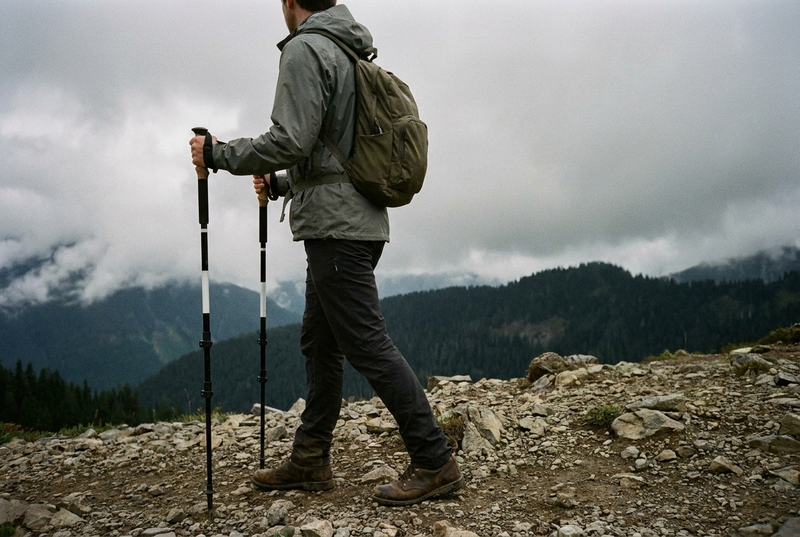
Trekking poles: how to size them, adjust them and use them
The 90-degree elbow rule, how much to shorten and lengthen for hills, how the wrist straps are meant to be used, which tip suits which ground, and what published research says poles do and do not...
Read the guide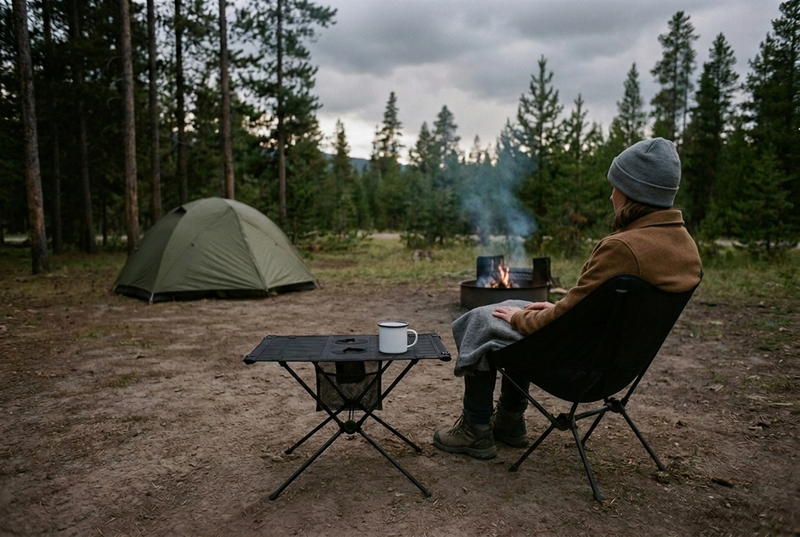
How to set up a comfortable camp: table, chair, kitchen layout
Where the tent, kitchen, fire, table and chairs go on a campsite, with the distances the National Park Service, Forest Service, Smokey Bear and Leave No Trace give, how to keep gear off wet ground and...
Read the guide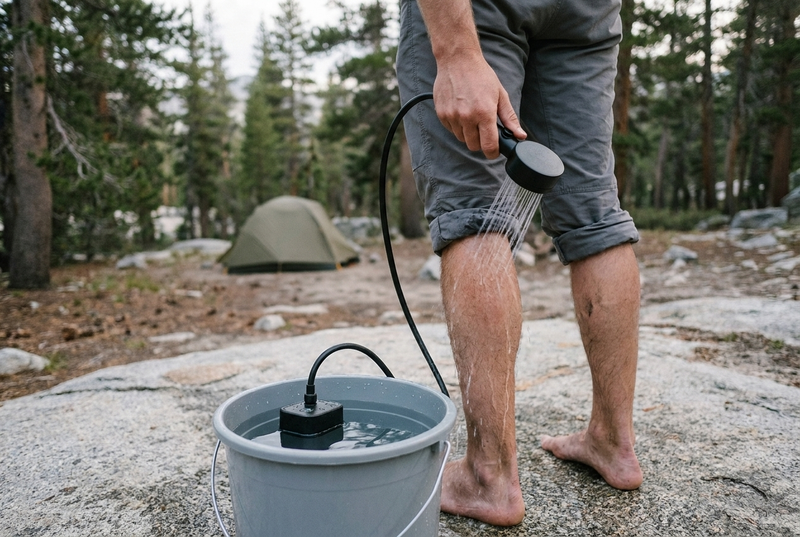
How to shower while camping: methods, water and Leave No Trace
Seven ways to get clean at camp, from shower blocks to gravity bags, pump showers and sponge baths. How much water a rinse takes, how to warm it without burns, where Leave No Trace says to...
Read the guide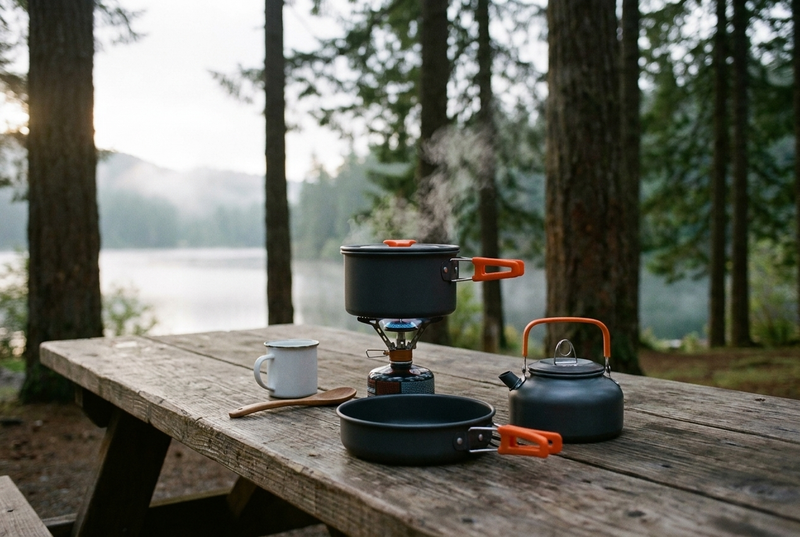
How to choose a camping cook set: pots, materials, what you need
What a camp cook set really needs: the right pot size for your group, aluminum, stainless steel or titanium, pieces that nest, and a way to eat. Plus stove safety, washing up and what changes in...
Read the guide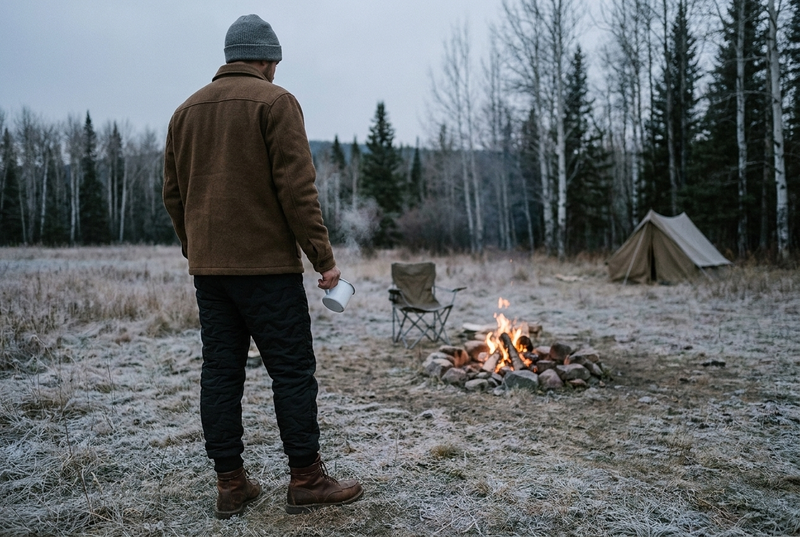
How to stay warm at camp: legs, layers and the campfire hours
The hours between the hike and the sleeping bag are when campers get cold. How to layer your legs, block wind, insulate your seat, use a fire safely, eat and drink for warmth and recognize hypothermia.
Read the guide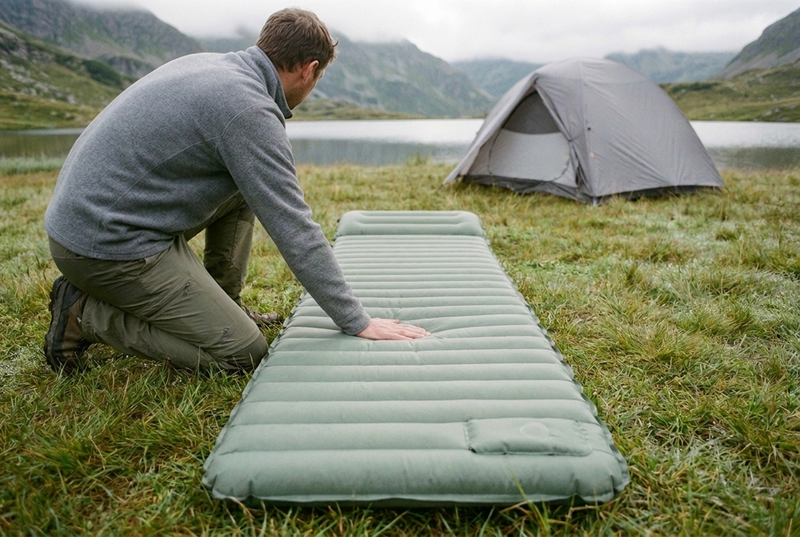
Firm or soft sleeping pad? Air channels vs air cells
How the inside of an air pad decides whether it feels firm or soft, which suits side, back and stomach sleepers, what mattress research says about firmness and back pain, and how our two pads differ.
Read the guide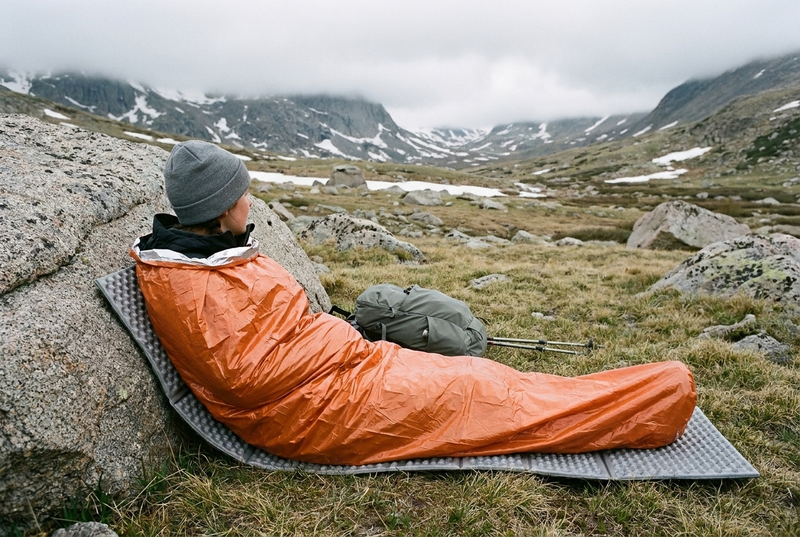
Emergency bivvy: what it is, when to carry one, how to use it
What an emergency bivvy does and does not do, why it is no substitute for a sleeping bag, where it belongs in a day pack and a car kit, how to use it step by step...
Read the guide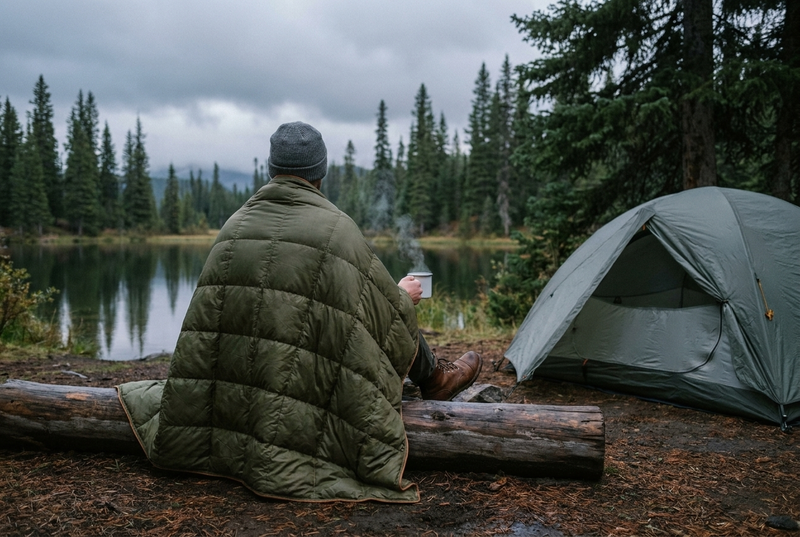
Camp blanket vs sleeping bag: when is a blanket enough?
A camp blanket is enough on mild, dry nights on an insulated pad. Here is where the line goes, why blankets have no temperature rating, how to use a blanket and a sleeping bag together, and...
Read the guide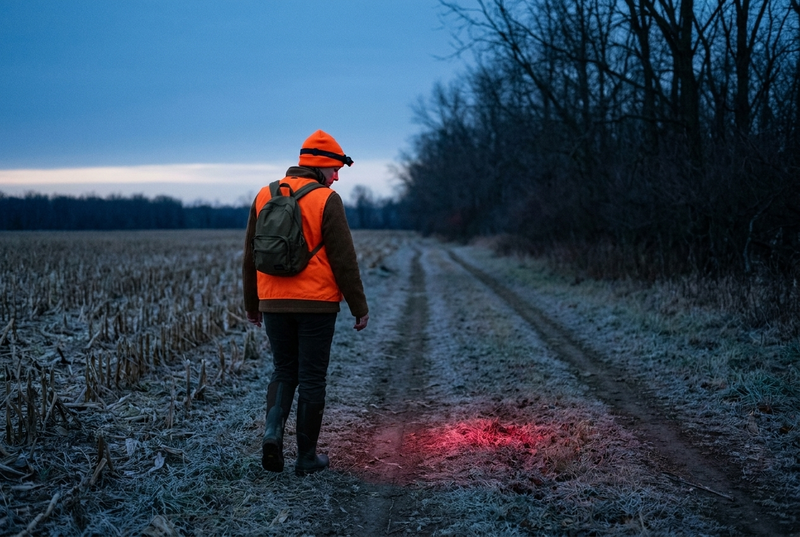
Walking to your stand in the dark: light, safety and stealth
How to get to a hunting stand before first light: when to use red and when white, how to stay visible to other hunters, blaze orange rules, finding the stand, climbing safely and what to do...
Read the guide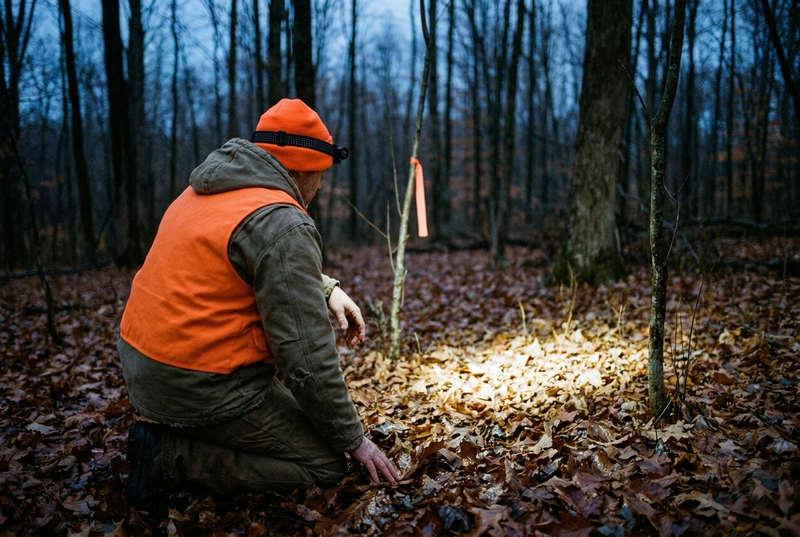
How to follow a blood trail at night: light, method and law
Tracking a wounded deer after dark: what the law says in three states, how long to wait, why white light beats red, a step-by-step method for the trail and how to stay safe.
Read the guide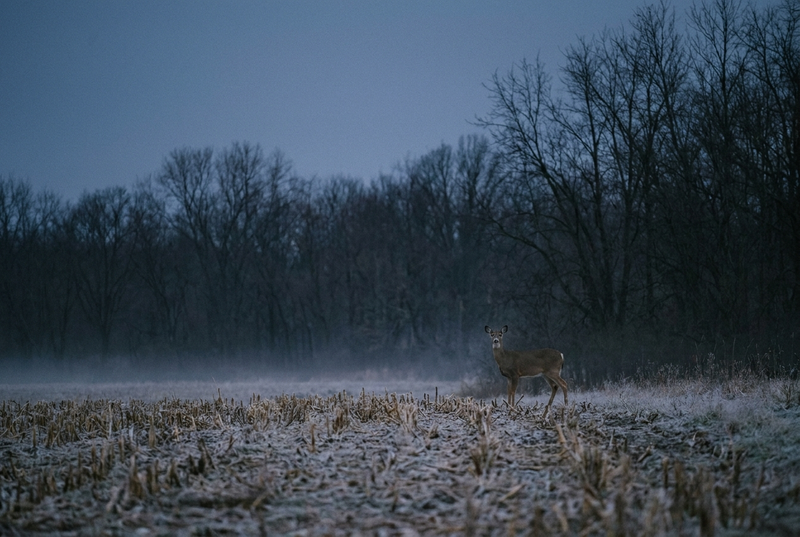
Red vs green light for hunting: what game animals can see
Which is less visible to game, red or green? What published eye measurements show for deer, pigs, dogs and foxes, what nobody has tested, and what the law says about hunting with a colored light.
Read the guide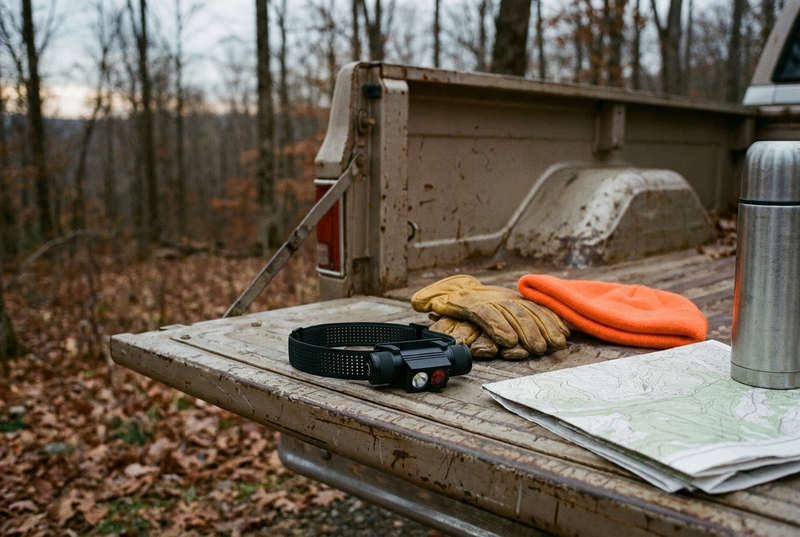
How to choose a headlamp for hunting: an honest buyer's guide
What a hunting headlamp really needs: the right brightness for each job, a red or green mode, honest runtime, a weather rating, controls you can work with gloves and a lockout. With a plain look at...
Read the guide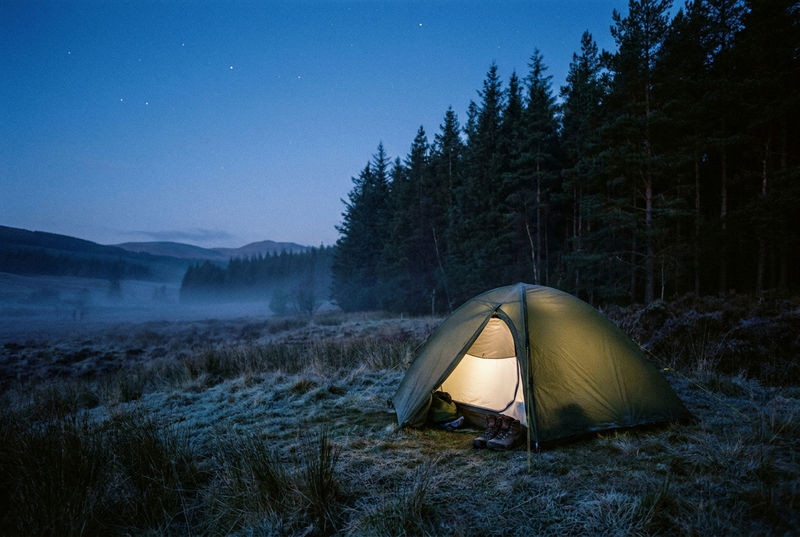
How to sleep warm in a tent: the whole sleep system
Staying warm at night is about stopping heat loss in the order it happens: the ground first, then the bag, your clothes, food, the campsite and the tent vents. Here is the whole system, with a...
Read the guide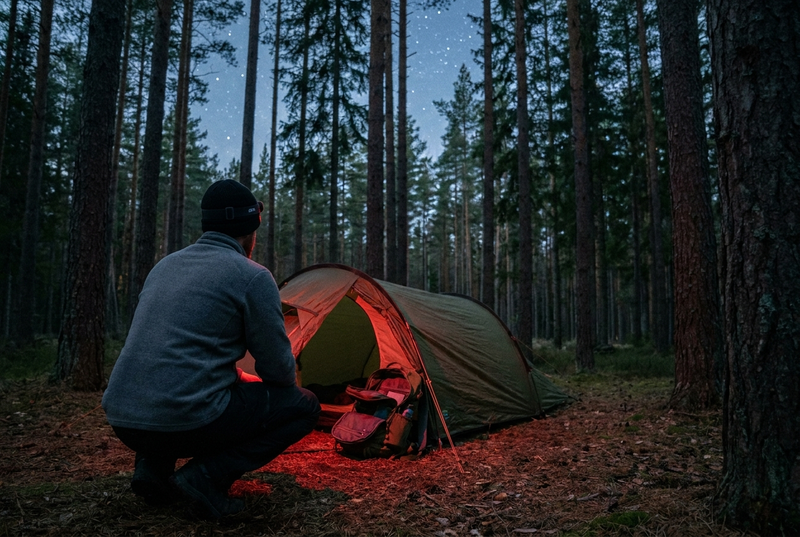
Red light vs white light: why hunters and campers use red
Red light keeps your night vision, white light shows color and distance. Here is how dark adaptation works, where red light falls short, what deer research really says, and which to use when.
Read the guide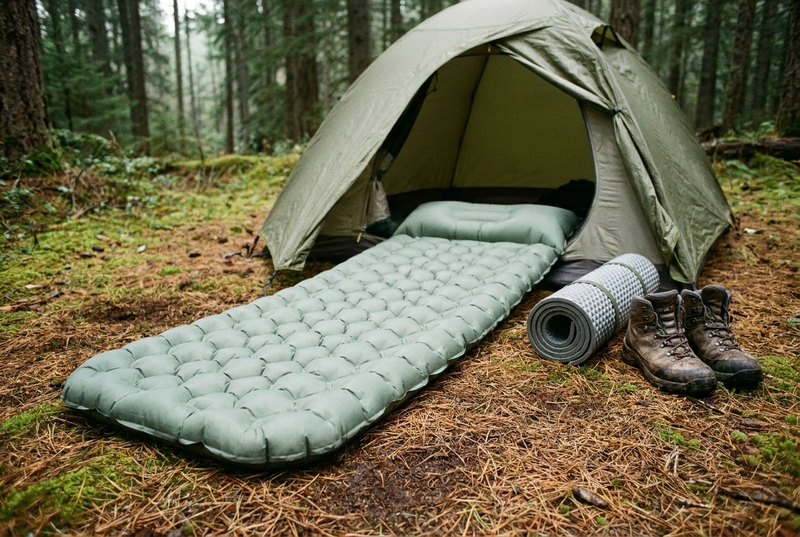
How to choose a sleeping pad: R-value, thickness and weight
Pick a sleeping pad by warmth first, then by type, thickness, size and weight. Here is what R-value means, how the ASTM F3340 test works and which range fits which night.
Read the guide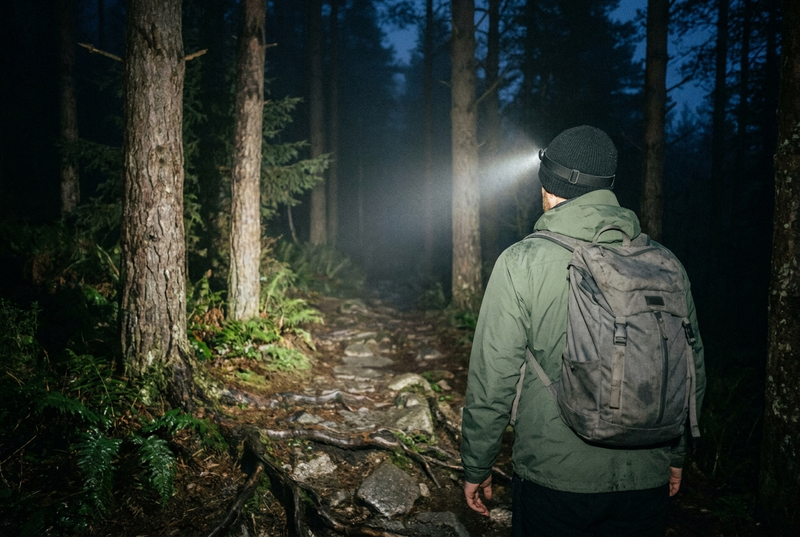
How many lumens do you need in a headlamp?
Most camping and hiking needs a headlamp that reaches 300 to 400 lumens, and far less for camp chores. Here is how lumens, beam distance and runtime are measured, and how to read them together.
Read the guide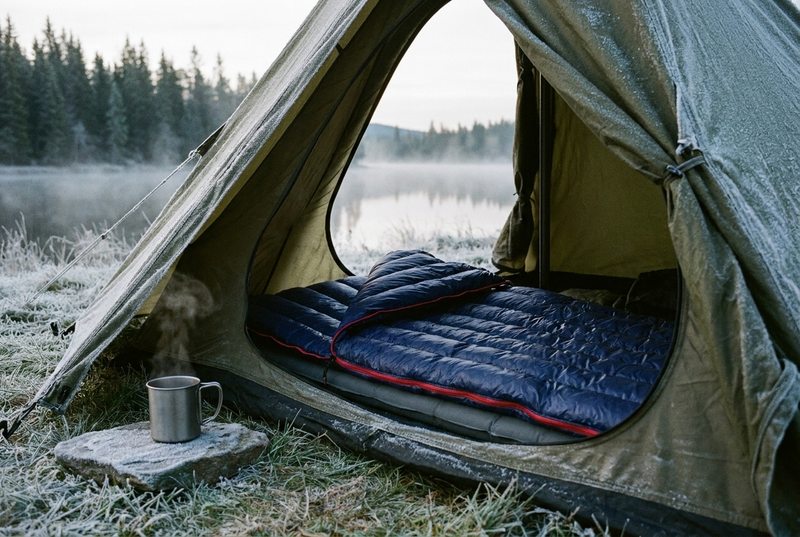
Sleeping bag temperature ratings: comfort, limit and extreme
What the comfort, limit and extreme ratings on a sleeping bag mean, how the ISO 23537-1 test works, and how to pick a rating for the coldest night you expect.
Read the guide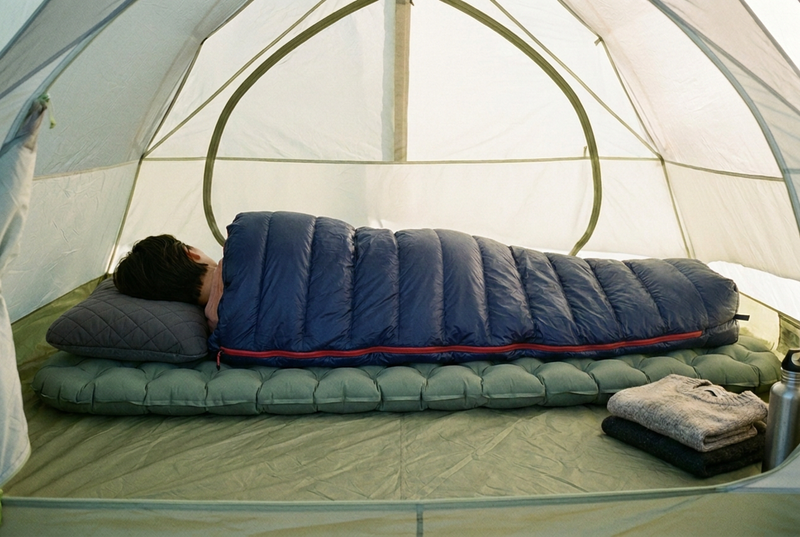
Camping for side sleepers: no more sore hips and shoulders
Side sleeping puts most of your weight on one hip and one shoulder, which is why a thin or over-inflated camping pad hurts. Here is how to choose pad thickness and width, set the firmness, adjust...
Read the guide